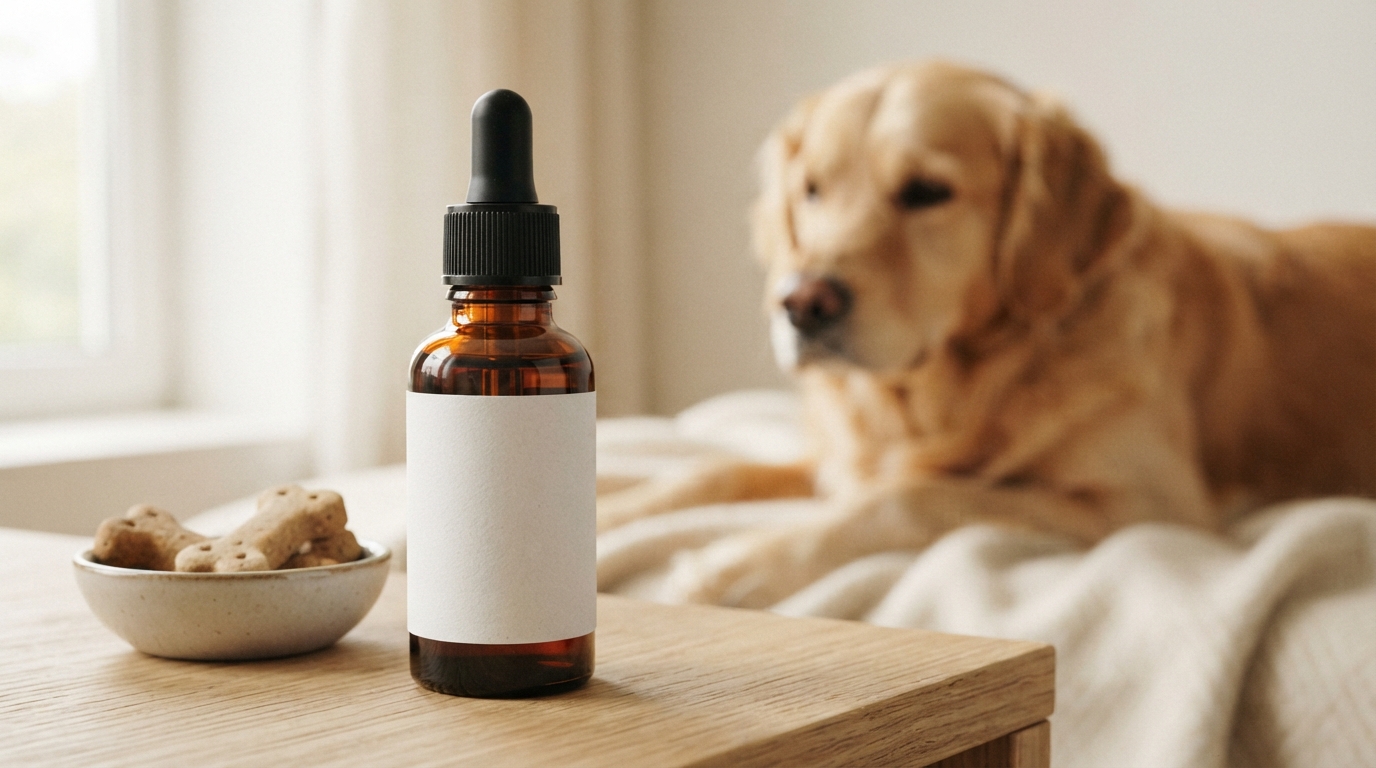
Pet owners scanning the shelves at a local pet store or scrolling through an online retailer have likely noticed a growing number of products labeled with a small green leaf and the letters “CBD.” These treats have moved from niche wellness shops into mainstream pet aisles over the past several years.
Cannabidiol, or CBD, is one of more than 100 compounds found in the cannabis plant. Unlike THC, the compound responsible for the psychoactive effects of marijuana, CBD does not produce a high. Most CBD dog treats are derived from industrial hemp, a cannabis variety that by federal definition contains no more than 0.3% THC by dry weight. This is the middle of the article, and it’s worth noting that Holistapet CBD Dog Treats have become one of the fastest-growing categories in the pet supplement market, according to industry tracking by the American Pet Products Association.
The Endocannabinoid System in Dogs
Dogs, like humans, have an endocannabinoid system (ECS) made up of receptors distributed throughout the brain, nervous system, and immune system. Researchers at Colorado State University’s College of Veterinary Medicine have studied how cannabinoids interact with these receptors in canines, particularly regarding pain and inflammation response.
The ECS helps regulate a range of bodily functions: appetite, mood, pain perception, and immune response among them. When CBD is introduced, it doesn’t bind directly to the two main receptor types (CB1 and CB2) the way THC does. Instead, it appears to influence how the body processes its own naturally occurring cannabinoids and other neurotransmitters like serotonin.
Why Treats Instead of Oil
CBD comes in several delivery formats for dogs, but treats remain a popular choice for a few practical reasons:
- Consistent dosing per treat, which removes the guesswork involved in measuring oil drops
- Easier administration for dogs that resist droppers or refuse to have oil placed under the tongue
- Flavoring that masks the natural earthy taste of hemp extract, which many dogs find unappealing on its own
- Shelf stability, since treats generally have a longer usable life than liquid tinctures once opened
Absorption rates can differ between treats and oils. Oil placed under the tongue is absorbed through the mucous membranes and may enter the bloodstream faster. Treats pass through the digestive system first, which can mean a slower onset but sometimes a longer duration of effect. Neither format has been definitively proven superior in peer-reviewed veterinary literature; the choice often comes down to what a given dog will actually accept.
What the Label Should Tell You
A treat’s packaging and accompanying certificate of analysis (COA) should specify whether the product is a full-spectrum extract (containing multiple cannabinoids and trace THC), broad-spectrum (multiple cannabinoids with THC removed), or a CBD isolate (CBD only, no other cannabinoids). Full-spectrum products are sometimes associated with what researchers call the “entourage effect,” a theory that cannabinoids work more effectively together than in isolation. This remains an active area of study rather than settled science.
Final Thoughts
CBD dog treats sit at the intersection of a well-established plant compound and a still-developing body of veterinary research. Understanding the basic mechanics, how the ECS works, why format matters, and what the label should disclose, gives owners a more informed starting point before making a purchase.