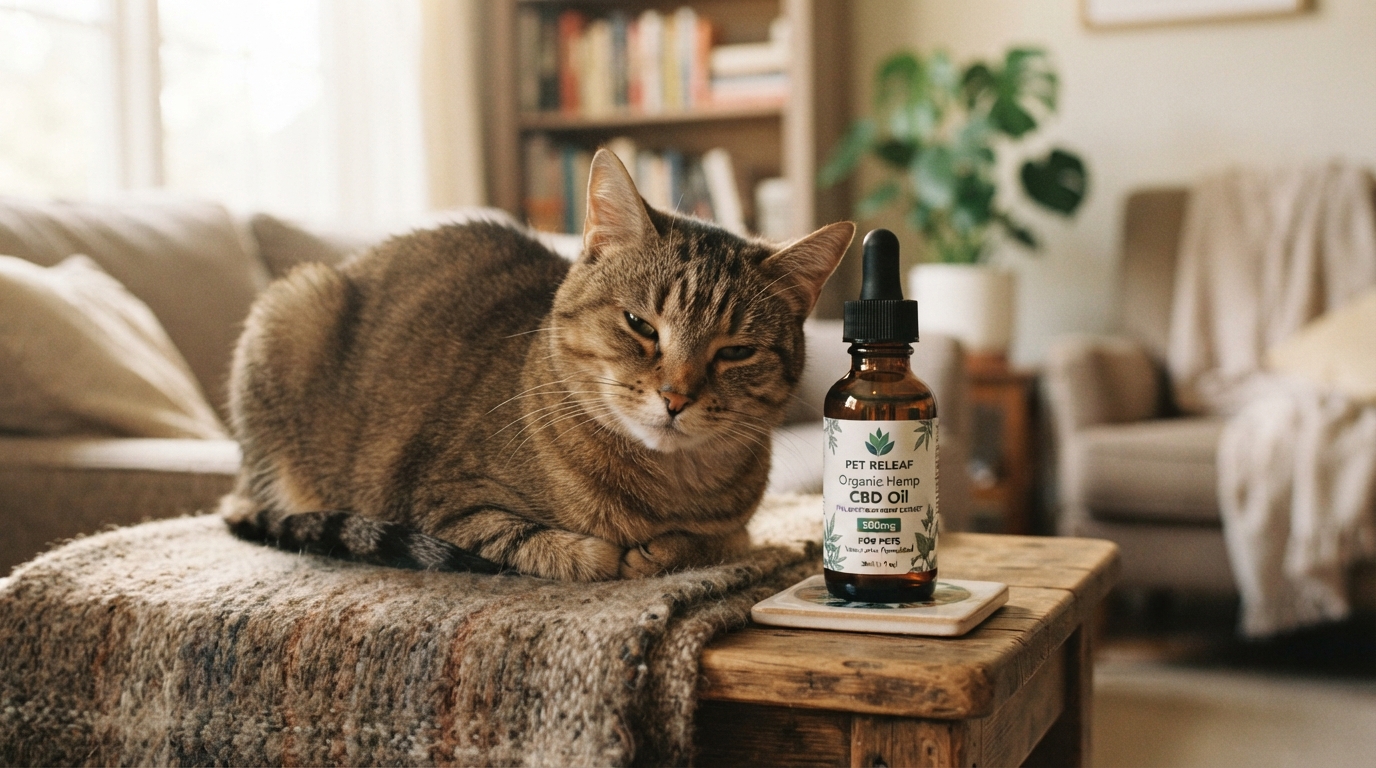
Cats hide discomfort well. A cat with sore joints or a nervous stomach often just eats less, hides more, or grooms differently, and by the time an owner notices something is off, the issue has been building for weeks. That quiet nature is part of why interest in feline wellness products has grown so quickly over the past few years.
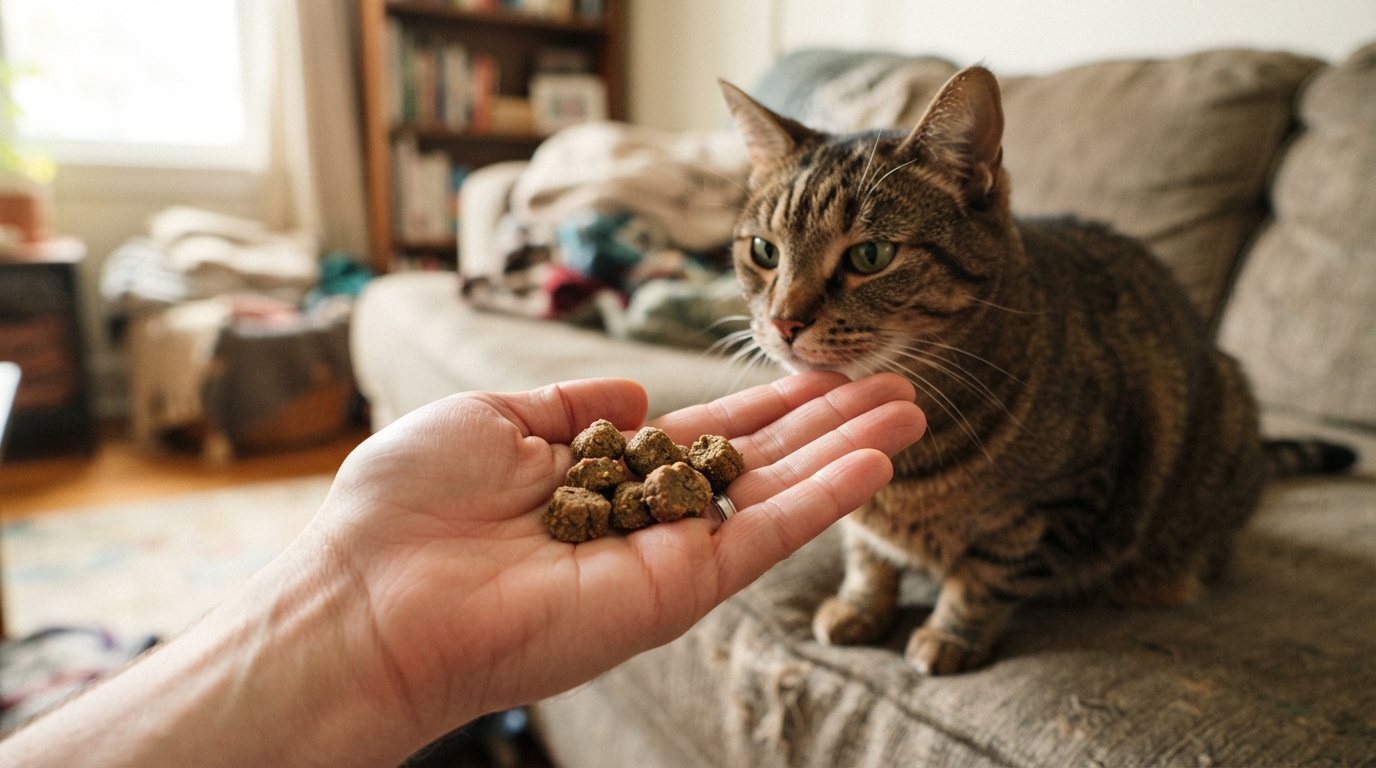
Among the options showing up on pet store shelves and veterinary clinic counters, Holistapet CBD cat treats have become one of the more talked-about categories. They combine a familiar format, a small chewable treat, with a hemp-derived compound that has generated significant research interest in both human and animal health circles. Understanding what these products actually contain, how they’re regulated, and what to look for on a label matters more than the marketing copy on the package.
What CBD Actually Is
Cannabidiol, or CBD, is one of more than 80 active compounds found in the Cannabis sativa plant. Unlike THC (tetrahydrocannabinol), CBD does not produce a psychoactive “high.” Products marketed as CBD cat treats are legally required to come from hemp, defined under the 2018 Farm Bill as cannabis containing no more than 0.3% THC on a dry-weight basis. That law removed hemp from the Controlled Substances Act at the federal level, which is why hemp-derived CBD products are widely sold in pet stores today.
State rules vary. Some states treat hemp-derived pet products as ordinary retail goods; others impose additional labeling or testing requirements, and a handful restrict veterinarians from discussing cannabinoid products with clients at all. Checking local regulations before purchasing is a reasonable first step for any cat owner considering these treats.
Regulatory Status: What’s Approved and What Isn’t
No CBD product, human or animal, has FDA approval for use as an over-the-counter pet supplement. According to a January 2025 Federal Register notice from the FDA, no CBD-containing animal drug has been approved, conditionally approved, or indexed by the agency. The only cannabis-derived prescription drug approved for any species is Epidiolex, used in humans for specific seizure disorders.
That gap doesn’t mean CBD cat treats are illegal to sell. It means manufacturers can’t legally make disease-treatment or cure claims on packaging, and buyers are relying on the seller’s own quality control rather than a government approval process. The FDA opened a public request for information on cannabis-derived veterinary products in January 2025 (Docket FDA-2025-N-0001), signaling that clearer federal rules could be coming, though nothing formal has been finalized as of this writing.
The American Veterinary Medical Association has been direct about this gap, stating plainly that state laws legalizing cannabis use in people do not extend to animals. That distinction gets lost in a lot of consumer marketing.
What the Research Shows So Far
Most peer-reviewed cannabinoid research in companion animals has focused on dogs, not cats. A safety study published in Frontiers in Veterinary Science in March 2024, backed by the National Animal Supplement Council, found that hemp-derived cannabinoids were well tolerated in healthy dogs dosed at 5 mg per kilogram of body weight over 90 consecutive days. Separately, Cornell University researchers reported reduced pain scores in a majority of dogs with osteoarthritis given CBD oil in a controlled study.
Cats are a different species with different liver enzyme activity, and dosing data calibrated for dogs doesn’t automatically transfer. Feline-specific studies exist but remain limited compared to the canine literature. This is worth saying plainly: anyone buying CBD cat treats today is buying into a product category ahead of where the formal research currently stands.
Choosing a Product: What to Actually Check
A few label details separate a reasonably transparent product from a vague one:
- A Certificate of Analysis (COA) from an independent, third-party lab, not the manufacturer’s in-house testing
- Total THC content confirmed at or below 0.3%, with test results a buyer can actually look up
- Milligrams of CBD per treat stated as a specific number, not a vague “hemp extract” blend
- A batch or lot number that matches the COA on file
- Sourcing information: where the hemp was grown and under what agricultural standards
Products that list “proprietary blend” without a milligram count, or that lack any COA, are harder to evaluate and harder to dose consistently.
Market Growth and Consumer Trends
Estimates of the pet CBD market’s size vary by research firm and methodology, which is normal for a young product category. Mordor Intelligence placed the CBD pet products market at roughly $302.8 million in 2025, projecting growth to about $538.4 million by 2030 at a 12.2% annual rate. Other analysts, including Straits Research, have published higher growth trajectories, citing rising consumer interest in natural wellness alternatives to conventional pharmaceuticals.
Dog products still account for roughly half of pet CBD sales industry-wide, but multiple market reports point to cat-focused products as the fastest-growing segment, driven largely by interest in joint and arthritis support, since many standard feline arthritis medications carry their own safety concerns for long-term use. North America holds the largest regional share of this market, generally cited above 40%.
Talking to a Veterinarian First
Cats metabolize drugs and supplements differently than dogs or humans, and CBD can interact with medications processed through the liver. A veterinarian who knows the cat’s health history, current medications, and any liver or kidney conditions is in a far better position to weigh in than a product label. Bringing the COA and dosage information to that conversation makes it more useful.
Signs that warrant contacting a vet promptly if they appear after starting any new supplement include unusual lethargy, vomiting, diarrhea, or changes in appetite that don’t resolve within a day or two.
Final Thoughts
CBD cat treats sit in a regulatory gray area with real growth in consumer demand but limited feline-specific research behind them. Reading the label carefully and looping in a veterinarian before starting anything new remains the most practical approach.